

Origins of Kahawa
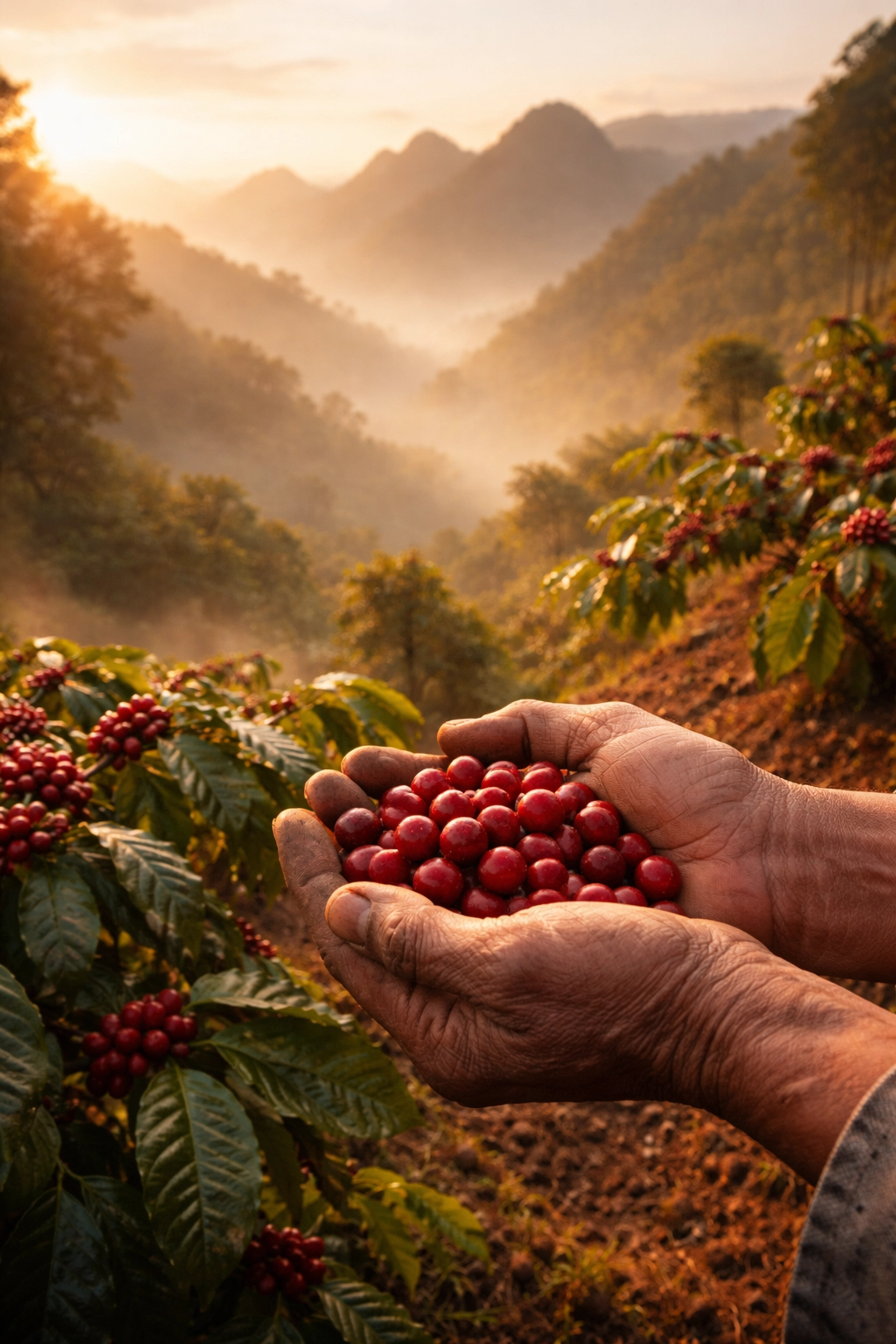
Coffee originated in Ethiopia. The Oromo people first cultivated it over a thousand years ago. The word "kahawa" derives from the Arabic "qahwah," meaning "wine of the bean."
According to tradition, a goat herder named Kaldi observed his animals becoming energetic after eating berries from a specific plant. Local monks then brewed these beans to maintain alertness during prayer sessions. By the 10th century, Oromo warriors rolled ripe coffee berries in animal fat and carried them as rations during long journeys.
Early African peoples did not consume coffee as a beverage. They chewed the beans directly. This practice made coffee a valuable trade item exchanged with Arab and Swahili merchants along ancient trade routes.
The Ethiopian Coffee Ceremony
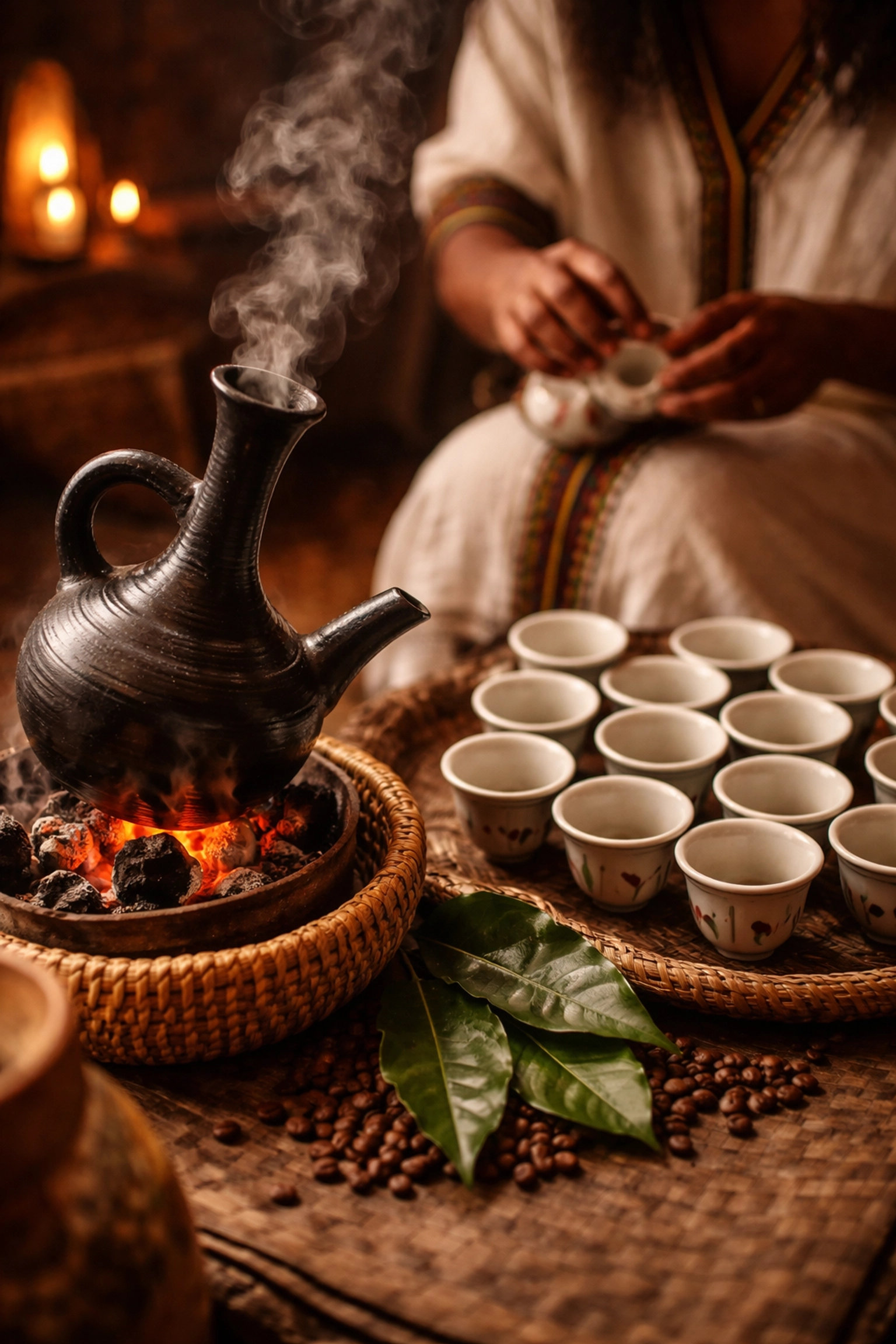
Traditional African coffee preparation follows a specific ritual structure. The ceremony serves as both social gathering and spiritual practice.
Standard preparation steps:
- Beans are ground by hand using a mortar and pestle
- Coffee brews in a clay pot called a jebena
- The brew pours into small handleless cups called cini
- Three rounds of coffee are served, each representing a blessing
These ceremonies have continued unchanged for centuries. The practice emphasizes community connection and mindfulness: principles that align with modern wellness approaches.
The ceremonial aspect transforms coffee consumption from routine intake to intentional practice. Each step requires presence and attention.
Flavor Profile of African Kahawa
African coffee beans produce distinct flavor characteristics based on growing region and processing method.
Common flavor notes:
| Region | Primary Notes | Secondary Notes |
|---|---|---|
| Ethiopian Highlands | Fruity, floral | Bergamot, jasmine |
| Kenyan Highlands | Bright acidity | Berry, citrus |
| Tanzanian Slopes | Wine-like | Chocolate, spice |
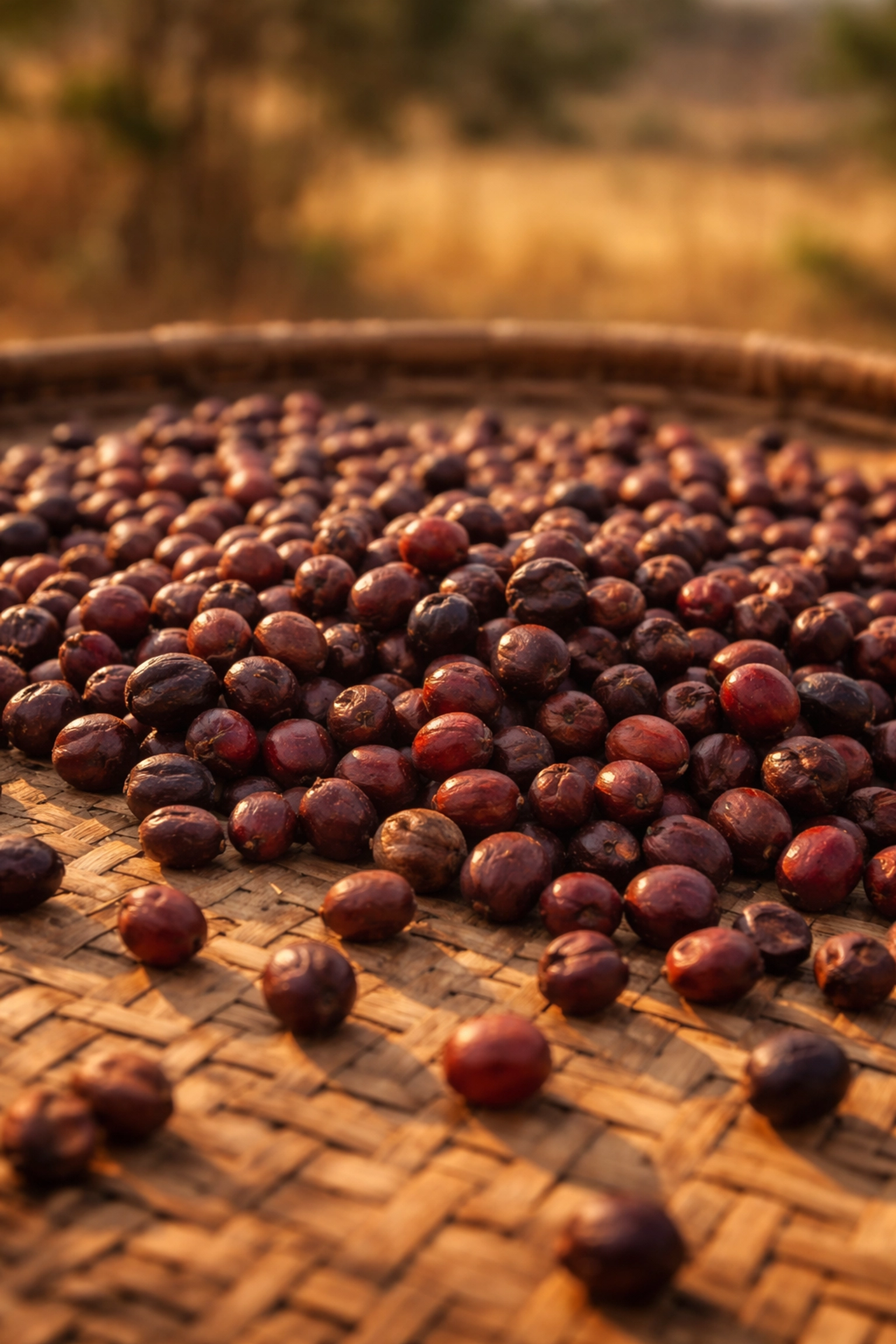
Indigenous farmers developed unique processing techniques over generations. The Kikuyu people of Kenya created sun-drying methods that produce specific flavor profiles not achievable through industrial processing.
These traditional methods preserve compounds that contribute to both taste complexity and potential health benefits.
Traditional Brewing Methods
Ancient brewing techniques differ significantly from modern coffee preparation. These methods extract different compounds and produce distinct results.
Jebena Brewing Process:
- Roast green beans over open flame until dark brown
- Grind beans to medium-fine consistency using mortar and pestle
- Add ground coffee to water in jebena
- Heat over low flame or hot coals
- Remove from heat when foam rises
- Allow grounds to settle before pouring
- Serve immediately in cini cups
The jebena's narrow neck filters grounds naturally during pouring. No paper filters or metal mesh required. This allows more oils and fine particles into the final brew.
Traditional roasting occurs immediately before brewing. This practice maximizes freshness and preserves volatile aromatic compounds that dissipate within hours of roasting.
Wellness Applications
Coffee has served medicinal and ceremonial purposes in African cultures for over a millennium. Modern research has begun documenting compounds present in traditionally prepared coffee.
Documented properties of coffee compounds:
- Antioxidants (chlorogenic acids)
- Stimulants (caffeine)
- Anti-inflammatory compounds
- Neuroprotective elements
Traditional preparation methods may preserve more of these compounds than industrial processing. Slow roasting over open flame produces different chemical reactions than rapid commercial roasting.
The ceremonial context also contributes to wellness outcomes. Intentional consumption practices reduce stress responses compared to rushed intake. Community gathering during coffee ceremonies provides social connection benefits.
For those exploring wellness-boosting coffee preparation, traditional African methods offer a framework for mindful consumption.
Roasting-to-Order: Preserving Ancient Quality Standards
Traditional coffee cultures roasted beans immediately before consumption. This practice ensured maximum freshness and compound preservation.
Modern roasting-to-order processes replicate this standard. Beans roasted upon ordering retain more:
- Aromatic volatile compounds
- Antioxidant content
- Flavor complexity
- Natural oils
Pre-roasted commercial coffee begins degrading within days of roasting. Exposure to oxygen, light, and moisture accelerates this process. Roasting-to-order eliminates extended storage periods between roasting and consumption.
This approach aligns with traditional wisdom while utilizing modern logistics. The result matches what ancient coffee cultures understood: fresh-roasted beans produce superior results.
Browse single-origin coffee options roasted to order for maximum freshness.
Preparing African Kahawa at Home
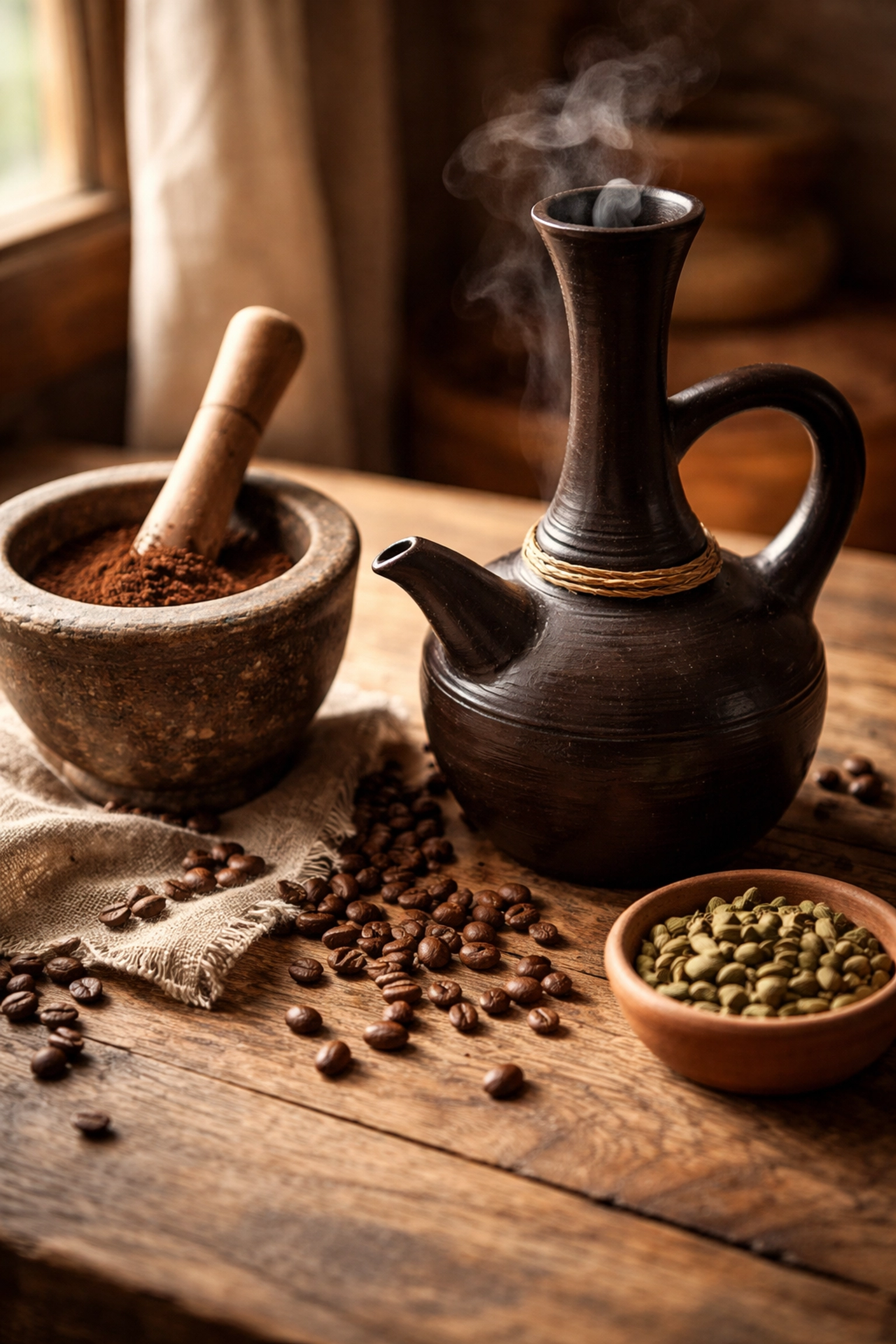
Replicating traditional preparation requires minimal specialized equipment.
Basic requirements:
- Fresh-roasted African origin beans
- Manual grinder or mortar and pestle
- Small pot with narrow spout (or traditional jebena)
- Small cups without handles
- Heat source
Simplified home method:
- Grind beans to medium-fine consistency
- Add 2 tablespoons ground coffee per 6 ounces water
- Combine in small pot
- Heat slowly over medium-low flame
- Remove when foam begins rising
- Wait 30 seconds for grounds to settle
- Pour slowly into cups
Avoid filtering. Traditional preparation includes fine particles and oils in the final cup. These contribute to body, flavor, and compound content.
Serve with optional additions based on regional traditions: cardamom, ginger, or cinnamon. Some traditions include salt or butter rather than sugar.
Selecting Quality African Beans
Origin and processing method determine final cup quality.
Selection criteria:
- Single-origin designation (specific farm or region)
- Processing method listed (washed, natural, honey)
- Roast date provided (within 2 weeks optimal)
- Altitude of growing region (higher generally produces denser beans)
Ethiopian and Kenyan beans offer the most traditional flavor profiles. These regions have maintained cultivation practices with minimal industrial intervention in many areas.
Explore coffee blends and single-origin options that honor these traditional growing regions.
Integration with Modern Wellness Practices
Traditional African coffee culture already incorporated principles now associated with wellness movements:
- Intentional preparation rituals
- Community-centered consumption
- Whole-food processing (minimal refinement)
- Connection to agricultural source
- Mindful drinking practices
These elements require no modification for modern application. The ancient framework provides a complete approach to coffee consumption that addresses physical, social, and psychological dimensions.
For additional approaches to herbal coffee infusions, traditional African methods can serve as a foundation for experimentation.
Summary
African Kahawa represents coffee in its original cultural context. The Oromo people developed cultivation, processing, and consumption practices that modern wellness approaches now recognize as beneficial.
Traditional brewing methods, ceremonial practices, and fresh-roasting standards all contribute to outcomes that industrialized coffee production cannot replicate.
Roasting-to-order restores the freshness standard that traditional cultures maintained. Combined with mindful preparation and consumption practices, this approach offers access to coffee as it was originally intended.
Visit The Filtered Philter's coffee collection for options that honor these traditional standards.
0 comments